Seathrewmarine

Global Shipping Market Trends in 2026

Global Shipping Market Trends in 2026

The global shipping industry continues to evolve in 2026, driven by shifting trade patterns, technological advancements, changing economic conditions, and an increasing focus on sustainability.
As international markets adapt to new challenges and opportunities, efficient and reliable maritime logistics have become more important than ever. Shipping companies, cargo owners, charterers, and investors must remain informed and flexible to navigate an increasingly complex global trade environment.In this article, we explore four key trends influencing the maritime industry and how businesses can prepare for the opportunities and challenges ahead.
01. Strong Demand Across Key Trade Routes

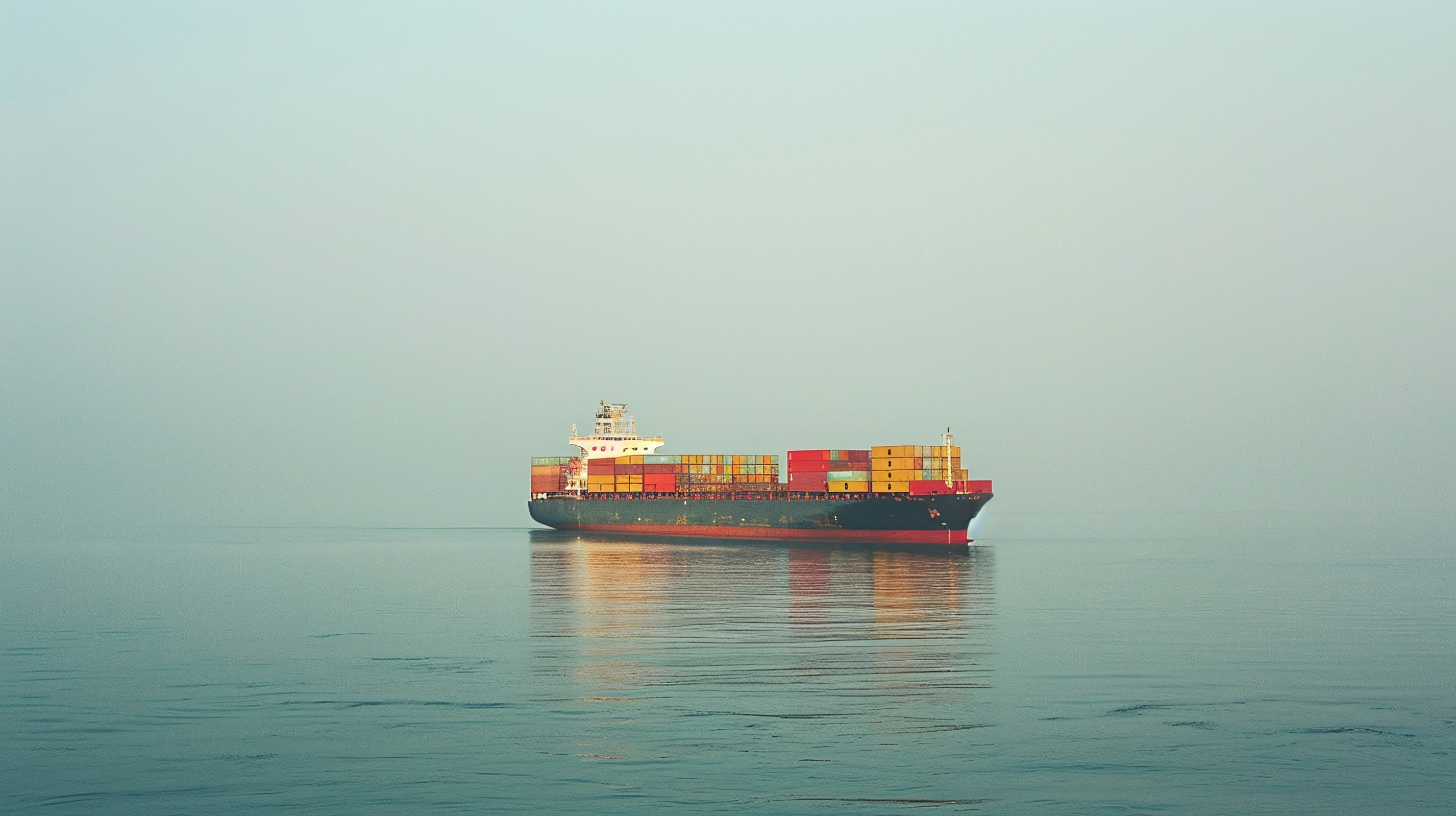
Global shipping demand continues to be influenced by international trade activity, supply chain adjustments, and changing regional market requirements.Major trade corridors, including Asia–Europe and intra-Asia routes, remain important to global cargo movements. Demand for essential goods, industrial raw materials, energy products, and consumer merchandise continues to support maritime transportation.However, changes in trade policies, geopolitical conditions, and port infrastructure can affect cargo flows and vessel availability.For shipping businesses, understanding market demand and selecting suitable chartering strategies are essential for maintaining operational efficiency and commercial competitiveness.

02. Technology Driving Efficiency

Digital transformation is reshaping the way maritime businesses manage vessels, cargo, and commercial operations.Advanced technologies, including real-time vessel tracking, predictive maintenance, data analytics, and AI-supported voyage planning, are helping shipping companies improve operational visibility and decision-making.These developments offer several advantages, including improved route planning, reduced operational costs, better fuel management, and more effective communication between stakeholders.By adopting practical digital solutions, maritime businesses can strengthen operational performance while improving reliability throughout the shipping lifecycle.

03. Sustainability Takes Centre Stage

Environmental responsibility continues to play an increasingly important role in the global maritime sector. International environmental regulations, emissions-reduction objectives, and growing customer expectations are encouraging shipping companies to explore cleaner fuels, energy-efficient vessels, and more sustainable operating practices. Businesses are evaluating alternative fuel technologies, vessel efficiency improvements, and smarter voyage planning to reduce their environmental impact. Although transitioning towards greener shipping presents financial and operational challenges, it also creates opportunities for innovation and long-term value creation. Sustainability is becoming an important consideration in vessel investment, chartering decisions, and future maritime strategies.

Leave a Comment

Your email address will not be published. Required fields are marked *