
Horizon: Building Smarter and More Resilient Maritime Supply Chains
- Discover how strategic planning, operational flexibility, and stronger industry partnerships are transforming the way maritime businesses manage global cargo movements.

Introduction
01. The Importance of Supply Chain Visibility
Visibility is one of the most valuable elements of effective maritime logistics.
Businesses need reliable information about vessel movements, cargo status, expected arrival times, and potential operational delays to make informed decisions.
Without sufficient visibility, even minor disruptions can create uncertainty across the supply chain, affecting inventory planning, delivery commitments, and commercial relationships. Improving communication between shipowners, charterers, port agents, and cargo stakeholders can help reduce these challenges.
Clear reporting procedures, coordinated operational updates, and accurate documentation enable businesses to maintain greater control over their shipping activities. The objective is not simply to monitor cargo movements but to create a more predictable and transparent transportation process.
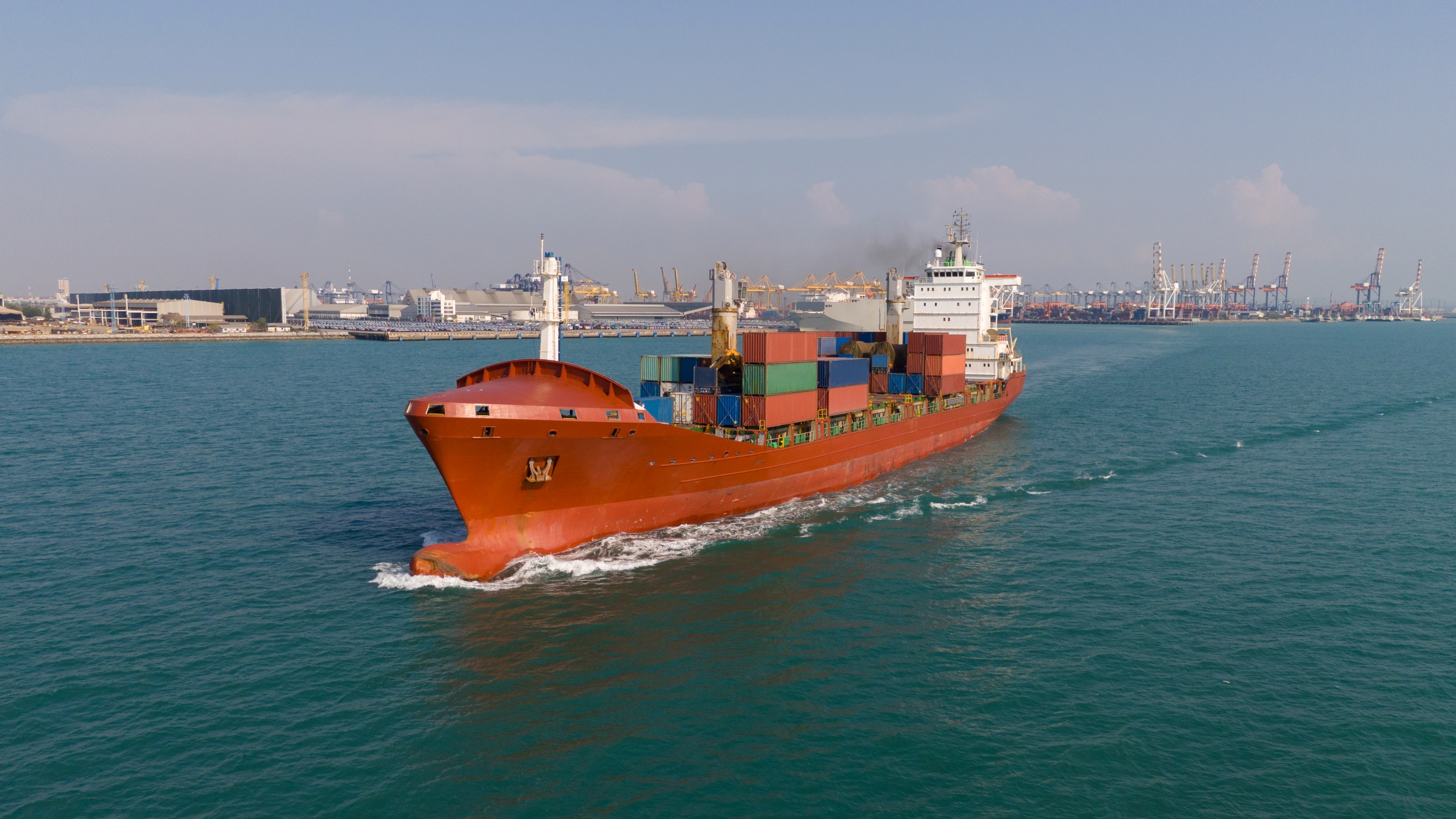
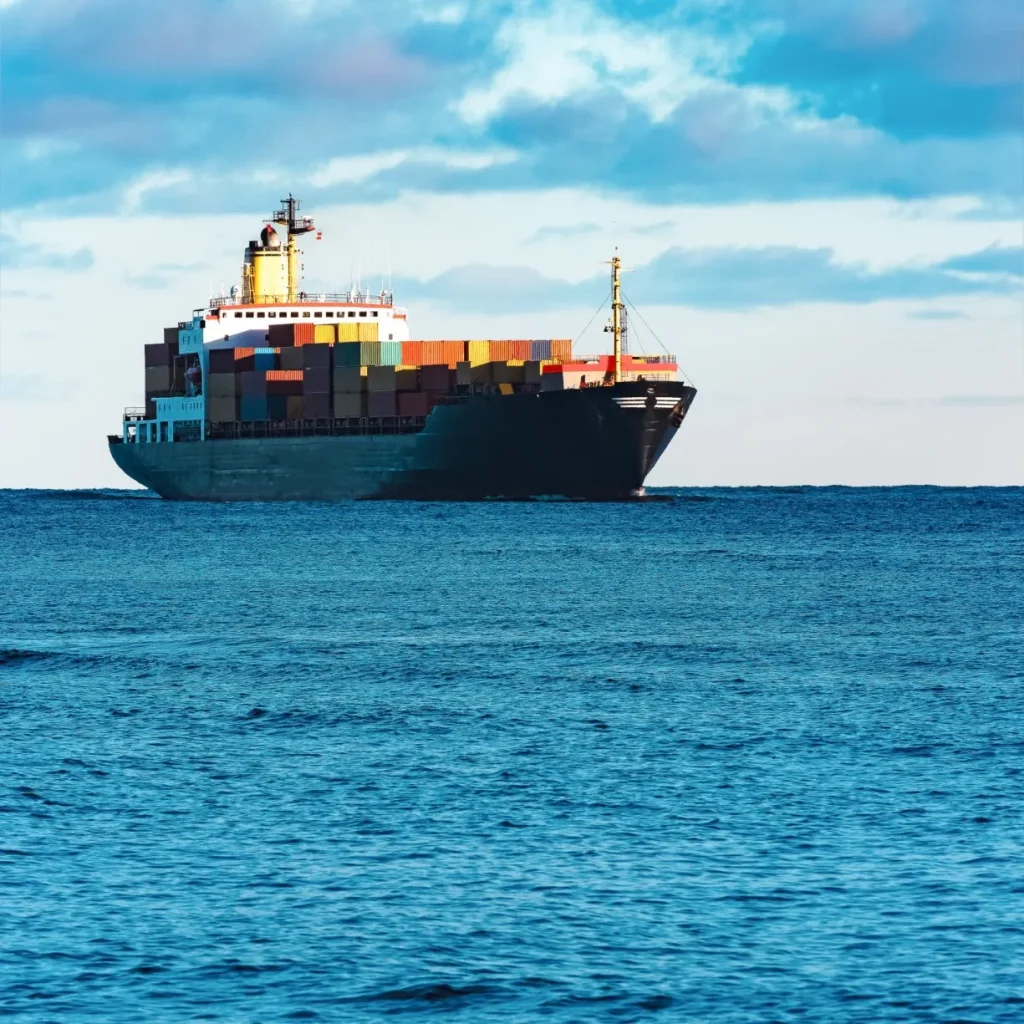
02. Choosing the Right Maritime Partnerships
Successful maritime transportation depends on more than vessel availability or competitive freight rates.
The quality of relationships between maritime stakeholders can significantly influence operational reliability, commercial negotiations, and problem resolution.
Shipowners, charterers, operators, and logistics partners each contribute specialist knowledge and resources to the transportation process.
Selecting suitable partners requires careful consideration of operational capabilities, commercial experience, vessel suitability, and the ability to respond effectively when circumstances change.
Strong partnerships can provide several long-term benefits:
- Improved coordination throughout the shipping process.
- More effective management of operational challenges.
- Greater flexibility when adjusting shipping requirements.
- Better communication between commercial and technical teams.
Managing Maritime Risks with Confidence
Shipping operations are exposed to a variety of uncertainties, including adverse weather, port congestion, equipment issues, documentation delays, and changing commercial conditions. Although these challenges cannot always be prevented, their impact can often be reduced through preparation and structured decision-making.
Effective risk management begins before a vessel commences its voyage. Understanding cargo requirements, evaluating route conditions, reviewing contractual obligations, and establishing contingency procedures can help businesses prepare for potential disruptions. When unexpected situations arise, timely communication and coordinated action become essential. A proactive approach to risk management helps protect cargo interests, maintain operational continuity, and support more reliable commercial outcomes.
Shipping operations are exposed to a variety of uncertainties, including adverse weather, port congestion, equipment issues, documentation delays, and changing commercial conditions. Although these challenges cannot always be prevented, their impact can often be reduced through preparation and structured decision-making. Effective risk management begins before a vessel commences its voyage. Understanding cargo requirements, evaluating route conditions, reviewing contractual obligations, and establishing contingency procedures can help businesses prepare for potential disruptions. When unexpected situations arise, timely communication and coordinated action become essential. A proactive approach to risk management helps protect cargo interests, maintain operational continuity, and support more reliable commercial outcomes.