Vessel Chartering Explained: Making the Right Shipping Decisions for Your Business
- Understanding how vessel selection, charter agreements, and commercial planning contribute to successful maritime transportation.
Introduction

01. Understanding the Different Types of Vessel Chartering
Not every cargo movement requires the same chartering arrangement. The appropriate option depends on factors such as shipment frequency, cargo requirements, operational responsibilities, and commercial priorities.
Three commonly used chartering arrangements are voyage charter, time charter, and bareboat charter.
Voyage Charter
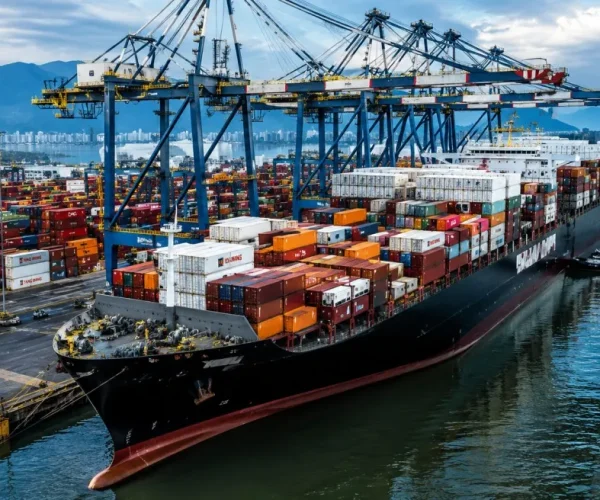
Under a voyage charter, a vessel is hired to transport specified cargo between agreed ports. The shipowner generally remains responsible for operating the vessel, while the charter agreement establishes the freight terms and other commercial obligations.Time chartering can provide greater flexibility.
Time Charter
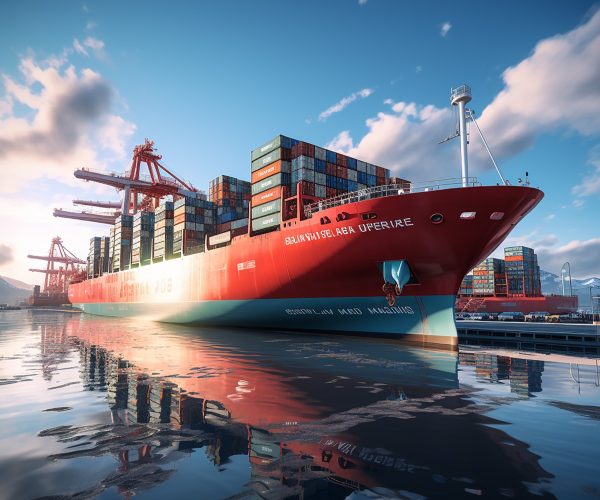
A time charter allows a charterer to use a vessel for an agreed period. The shipowner generally provides the vessel and crew, while the charterer directs its commercial employment within the contract's terms. Time chartering can provide greater flexibility for businesses managing recurring cargo movements.

Bareboat Charter
A bareboat charter transfers possession and operational control of the vessel to the charterer for an agreed period, subject to the contract. The charterer typically assumes responsibility for crewing, maintenance, and vessel operations.
02. Selecting the Right Vessel for Your Cargo